
Efficacy Testing
Efficacy tests are intended not only to fulfil the requirements of legislation, but also to add value to a product. Knowing that products have been rigorously tested before being put on the market increases consumer confidence when using them. This trust is essential for maintaining companies' reputations, protecting consumers' health and increasing sales in an progressively competitive market.
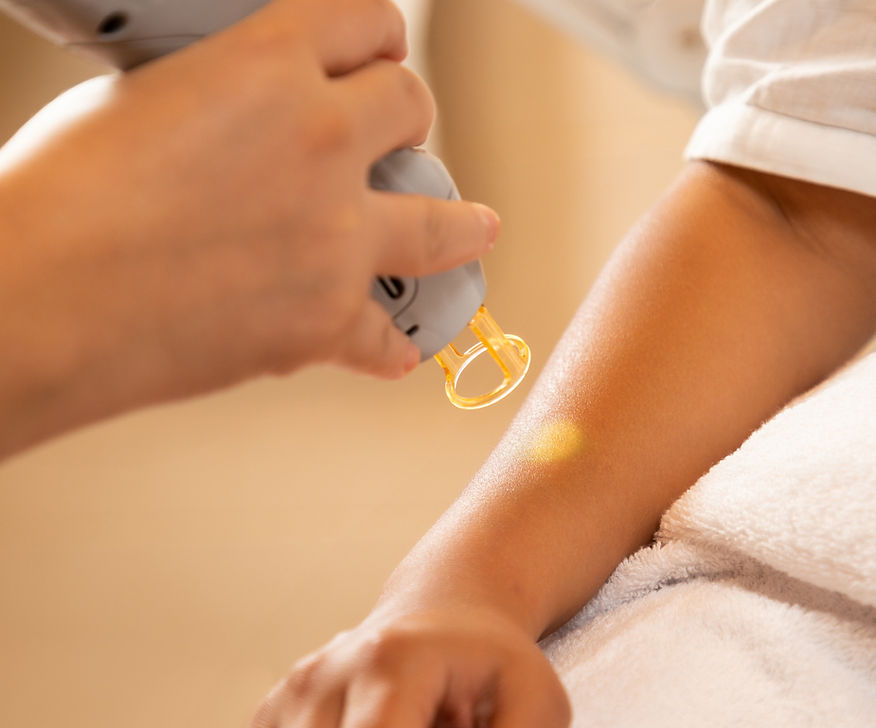
These types of claims can be assessed using various methods:
Clinical assessment by specialists/dermatologists
Biometric determinations, using devices such as the Corneometer, Cutometer, Tewameter, Colorimeter, Sebumeter, Skin pHMeter, Texture analyzer, etc.
Photographs
3D images
Subjective evaluation by dermatologists or specialists, through evaluation questionnaires that reflect their perception of the product's effectiveness on each topic
Subjective evaluation by consumers through evaluation questionnaires
Hair Efficacy
- Anti-dandruff
- Anti-fall
- Strenght and Resistance
- Thermal protection
- Detangling effect
- Density/Thickness
- Colour protection/durability
- Shine
- Frizz control and/or Volume
- Evaluation of split ends
- Maintenance of hairstyles or smooth effect
- Oiliness
- Softness
- Reduced fall due to breakage
Skin Efficacy
- Skin pH assessment
- Skin firmness and elasticity
- Anti-wrinkle
- Anti-dark circles
- Skin oiliness
- Pore reduction
- Anti-acne
- Maintenance of the skin barrier
- Moisturising
- Anti-stains (Skin whitening)
- Anti-stretch marks
- Anti-cellulite (Size reduction)
- Antiperspirant
- Deodorant
- Anti-pollution
- Anti-oxidant
- Blue light protection
- Protects/balances the microbiome
Lips Efficacy
- Lip integrity
- Moisturising
- Lipstick: durability, fixation, transfer, kiss proof